




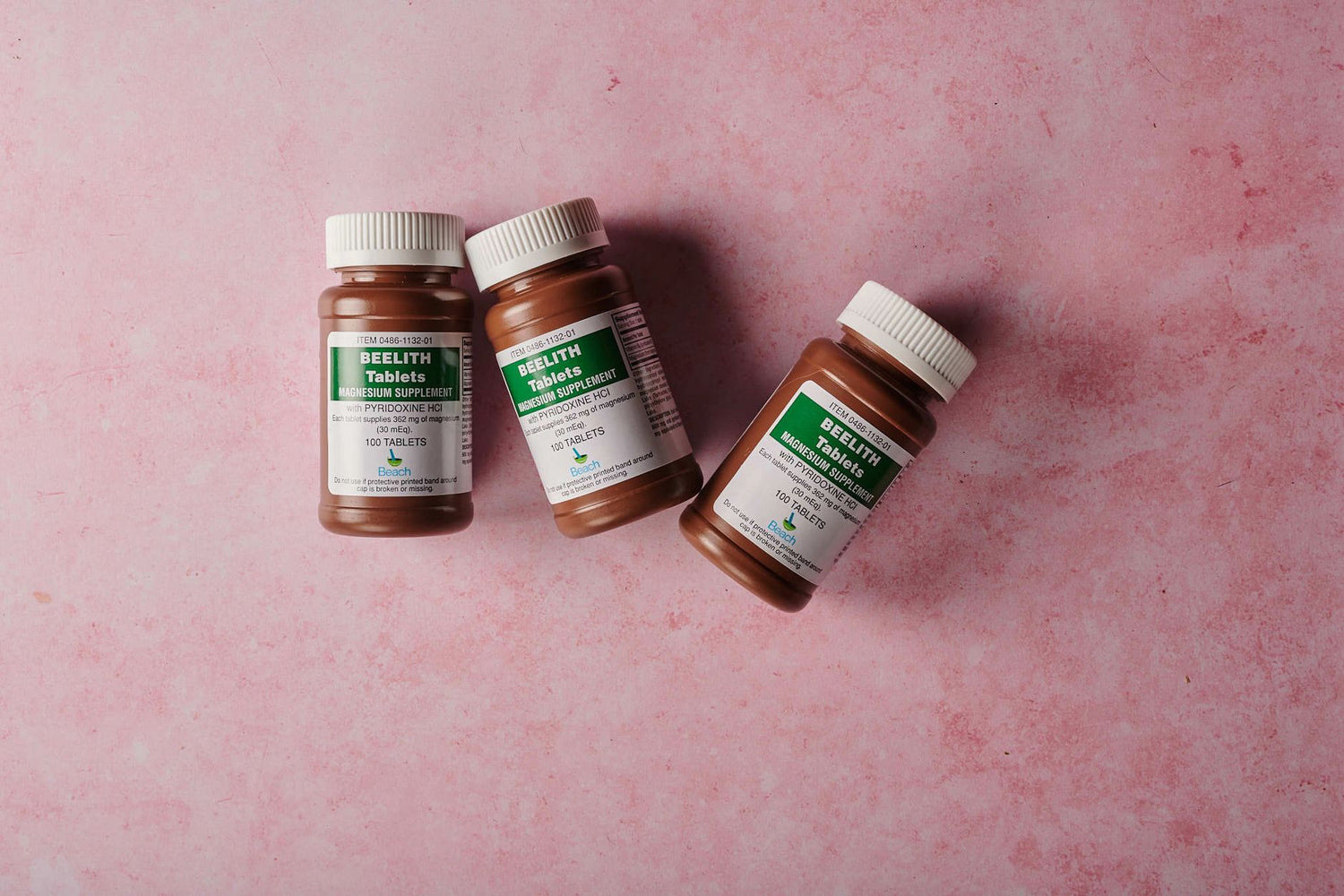
The debate around magnesium L-threonate vs glycinate usually gets reduced to "one is for the brain, the other is for sleep." That's not wrong — but it's incomplete, and it leads people to pick the wrong form for their actual goal. The real distinction lies in how each molecule travels through the body and which receptors it ultimately reaches: threonate crosses the blood-brain barrier to raise brain magnesium levels directly [1], while glycinate binds to inhibitory neurotransmitter receptors to promote muscular and mental relaxation [2]. Understanding these molecular pathways — not just marketing claims — is what will help you choose the right magnesium form in 2026.
This comparison, researched by our editorial team, breaks down both forms by mechanism of action, bioavailability evidence, user experience patterns, and how they compare against a comprehensive drinkable nootropic approach.
Key Takeaways
- Threonate is the brain-specific form — it uniquely crosses the blood-brain barrier to increase synaptic magnesium, but human trial data remains limited [1].
- Glycinate is the relaxation form — glycine acts directly on GABA-A receptors and may lower core body temperature to support sleep [2][3].
- Threonate costs 2–3× more and takes 6–12 weeks to show effects; glycinate works within days for relaxation goals.
- They can be stacked together, but a multi-compound formula may cover more pathways than either form alone.
- Consistency matters more than form — the NHS notes that many UK adults fall short on dietary magnesium regardless of supplement choice [4].
What Is Magnesium L-Threonate?
Magnesium L-threonate (often sold under the patented name Magtein®) is a chelated form of magnesium bound to L-threonic acid, a metabolite of vitamin C. It was developed specifically at MIT to address a problem that other magnesium forms struggle with: meaningfully raising magnesium concentrations inside the brain.
A 2010 study published in Neuron by Bhatt et al. demonstrated that magnesium L-threonate increased cerebrospinal fluid magnesium levels in animal models more effectively than magnesium chloride or magnesium gluconate [1]. The researchers observed improvements in both short-term and long-term memory, as well as enhanced synaptic density in the hippocampus — the brain region most associated with learning and memory formation.
The typical dose in clinical studies is 1,500–2,000 mg of magnesium L-threonate per day, which delivers roughly 144 mg of elemental magnesium. That's notably less elemental magnesium than other forms, but proponents argue that its targeted brain delivery makes the lower dose effective where it matters most.
Key Characteristics of Magnesium L-Threonate
- Primary mechanism: Crosses the blood-brain barrier; increases synaptic density
- Elemental magnesium per dose: ~7–8% by weight (relatively low)
- Typical daily dose: 1,500–2,000 mg
- Primary use cases: Cognitive function, memory support, age-related cognitive concerns
- Time to effect: 6–12 weeks in most studies
What Is Magnesium Glycinate?
Magnesium glycinate is magnesium chelated with glycine, the smallest amino acid and itself an inhibitory neurotransmitter. This form is valued for two reasons: high absorption in the gut (glycine chelation protects the magnesium from interacting with phytates and other absorption blockers) and the calming effects of glycine itself.
Glycine acts on GABA-A receptors and NMDA receptors in the central nervous system. It also influences thermoregulation — a 2006 study in Sleep and Biological Rhythms found that 3 g of glycine before bed lowered core body temperature and improved subjective sleep quality [3]. While magnesium glycinate supplements deliver less than 3 g of free glycine per dose, the combination of glycine and magnesium creates a dual calming effect that neither achieves as effectively alone.*
Standard doses range from 200–400 mg of elemental magnesium daily (from approximately 1,000–2,000 mg of magnesium glycinate compound). This form is also significantly less likely to cause the gastrointestinal side effects — particularly loose stools — associated with magnesium oxide or citrate.
Key Characteristics of Magnesium Glycinate
- Primary mechanism: High gut absorption; glycine modulates GABA receptors and body temperature
- Elemental magnesium per dose: ~14% by weight
- Typical daily dose: 1,000–2,000 mg (delivering 200–400 mg elemental magnesium)
- Primary use cases: Sleep support, relaxation, anxiety, muscle recovery
- Time to effect: Same day for relaxation; 2–4 weeks for sleep pattern changes
Head-to-Head Comparison: Threonate vs Glycinate by Mechanism
When comparing magnesium L-threonate vs glycinate, the most useful framework isn't "which is better" but "which mechanism matches your goal." The table below maps each form against nine decision-relevant factors:
| Factor | Magnesium L-Threonate | Magnesium Glycinate |
|---|---|---|
| Bioavailability | Moderate overall, but uniquely high in the brain | High overall systemic absorption |
| Brain penetration | Crosses blood-brain barrier effectively [1] | Limited direct brain uptake |
| Calming effect | Indirect (via brain magnesium) | Direct (glycine acts on GABA receptors) [2] |
| Elemental Mg per dose | ~144 mg from 2,000 mg | ~200–400 mg from 1,000–2,000 mg |
| GI tolerance | Well tolerated | Well tolerated (one of the gentlest forms) |
| Clinical evidence base | Limited human trials; strong animal data [1][5] | Established; glycine itself well studied [2][3] |
| Cost per month (UK) | £25–£45 (typically premium-priced) | £8–£20 (widely available) |
| Best taken | Morning or afternoon (cognitive goals) | Evening (relaxation and sleep goals) |
| Primary goal match | Memory, learning, cognitive longevity | Sleep quality, relaxation, muscle tension |
One important caveat: much of the excitement around magnesium L-threonate stems from a single research group's animal studies published between 2010 and 2016. A 2016 human pilot study in the Journal of Alzheimer's Disease showed promising results for cognitive function in older adults [5], but larger, independent replications are still needed. Magnesium glycinate benefits from decades of research on both magnesium and glycine individually [2][3], even if fewer studies test the chelated compound specifically.
What Real Users Report
Across supplement review aggregators, Reddit communities, and independent review sites, a consistent pattern emerges in how people describe their experiences with each form. Neither form produces the dramatic "before and after" that marketing sometimes implies — but the reported effects align well with the mechanistic differences outlined above.
Magnesium L-Threonate: Common User Sentiment
- Users frequently report improved mental clarity after 4–8 weeks of use*
- The experience is often described as "subtle but noticeable" — a gradual sharpening rather than a dramatic shift
- The most common complaint is price: threonate supplements cost two to three times more than glycinate
- A minority of users report mild headaches during the first week
- Adults over 50 tend to report the strongest positive cognitive outcomes
Magnesium Glycinate: Common User Sentiment
- Users overwhelmingly praise it for sleep quality improvements*
- "I fall asleep faster and wake up less during the night" is a frequently repeated sentiment
- Many report reduced evening anxiety and muscle tension*
- Virtually no GI complaints — a major advantage over citrate and oxide forms
- Some users note that taking it during the day causes mild drowsiness
The standout observation across both user groups: people who take magnesium consistently for at least four weeks report far better outcomes than those who use it sporadically. This aligns with what the NHS guidance on minerals implies — correcting a deficiency is a process, not an event [4].
Noobru Lucid supplement sachet and chamomile flowers visible" width="800" height="450" loading="lazy" />Single-Ingredient Magnesium vs a Multi-Compound Nootropic Stack
Here's what the magnesium L-threonate vs glycinate debate often overlooks: magnesium — in any form — is a single mineral addressing a single deficiency pathway. The brain doesn't run on magnesium alone. Cognitive function, sleep quality, and stress resilience depend on interconnected systems involving neurotransmitters, adaptogens, amino acids, and cofactor vitamins.
This is where a broader, multi-ingredient approach can offer advantages over choosing one magnesium form in isolation.
For cognitive support: Noobru Advantage combines phosphatidylserine (50 mg), L-theanine (200 mg), huperzine A (200 mcg), and ashwagandha (120 mg) in a single drinkable sachet. Phosphatidylserine may help support cell membrane integrity in the brain*, while L-theanine promotes alpha brain wave activity associated with calm focus*. Rather than relying on a single mineral to cross the blood-brain barrier, this approach targets multiple cognitive pathways simultaneously.
For sleep and relaxation: Noobru Lucid includes magnesium glycinate in its formula alongside ashwagandha (1,000 mg), L-theanine (150 mg), passion flower (200 mg), valerian, and chamomile (30 mg). You get the glycine-mediated relaxation benefits of magnesium glycinate* alongside clinically studied calming compounds — all in a drinkable format that may offer faster absorption than tablets.
| Factor | Mg L-Threonate (standalone) | Mg Glycinate (standalone) | Multi-compound formula |
|---|---|---|---|
| Active compounds | 1 (magnesium + threonic acid) | 1 (magnesium + glycine) | 12–18 per formula |
| Format | Capsules / powder | Capsules / powder | Drinkable sachets |
| Cognitive pathways targeted | Brain Mg levels, synaptic density | GABA modulation (indirect) | Acetylcholine, GABA, dopamine, cortisol regulation* |
| Adaptogenic support | No | No | Yes (ashwagandha, rhodiola) |
| Dose transparency | Varies by brand | Varies by brand | Full doses disclosed, no proprietary blends |
To be clear: Noobru makes these products, so we have skin in the game. But the underlying logic — that multi-pathway formulas can address more than a single mineral — holds regardless of brand. If you already have a magnesium supplement that works for you, it may still be worth asking whether the other parts of your cognitive or sleep stack are covered.
Our Verdict
Both magnesium L-threonate and magnesium glycinate are legitimate, well-tolerated forms of magnesium — but they serve fundamentally different purposes.
Choose magnesium L-threonate if: Your primary concern is long-term cognitive function, memory, or age-related cognitive decline, and you're willing to invest 6–12 weeks (and a higher price point) before expecting results. Be aware that the human evidence base is still maturing [5].
Choose magnesium glycinate if: Your primary goal is better sleep, reduced evening anxiety, or muscle relaxation. It's more affordable, faster-acting for relaxation goals, and has a longer track record of safe daily use [2][3].
Consider a multi-compound approach if: You want broader cognitive or sleep support that doesn't rely on a single mineral pathway. A formulation like Noobru Lucid — which already includes magnesium glycinate alongside ashwagandha, L-theanine, and other calming compounds — may help address the interconnected systems behind sleep quality more comprehensively than magnesium alone*. For daytime cognitive goals, Noobru Advantage stacks phosphatidylserine and huperzine A alongside adaptogens, covering more of the pathways that threonate targets in isolation.
The honest takeaway? Magnesium is essential — the NHS notes that many UK adults don't get enough from diet alone [4]. But whether you choose threonate, glycinate, or a comprehensive stack, consistency matters more than the form. Pick the one that matches your goal, take it daily, and give it time.
Frequently Asked Questions
Can I take magnesium L-threonate and glycinate together?
Yes, many people stack them because they work through different mechanisms — threonate for daytime cognition and glycinate for evening relaxation. Keep your total elemental magnesium within the recommended 300–400 mg daily for adults. Consult your healthcare provider if you're unsure about dosing.
Which magnesium form is better for sleep?
Magnesium glycinate is generally considered the better choice for sleep. The glycine component acts on GABA receptors and may help lower core body temperature, both of which are associated with improved sleep onset* [3]. Threonate is more specifically targeted at cognitive function rather than relaxation.
How long does magnesium L-threonate take to work?
Most clinical research on magnesium L-threonate used supplementation periods of 6–12 weeks before measuring cognitive outcomes [1][5]. Unlike glycinate, which may produce relaxation effects the same evening, threonate's brain-specific benefits tend to build gradually over time.
Is magnesium glycinate safe to take every day?
Magnesium glycinate is widely considered one of the best-tolerated daily magnesium forms. It is less likely to cause digestive upset than oxide or citrate. As with any supplement, consult your healthcare provider before starting a new regimen, especially if you take medications.
Does magnesium L-threonate help with anxiety?
Some animal studies suggest magnesium L-threonate may reduce anxiety-related behaviours by raising brain magnesium levels [1], but human evidence specifically for anxiety is limited. For acute calming effects, magnesium glycinate's glycine-mediated GABA activity is more directly relevant [2].
If you're looking for magnesium glycinate as part of a broader sleep and relaxation formula, Noobru Lucid combines it with ashwagandha, L-theanine, passion flower, and more — all in a convenient drinkable format with full dose transparency.
Try Noobru risk-free with our 90-day money-back guarantee →References
- Slutsky I, Abumaria N, Wu LJ, et al. Enhancement of learning and memory by elevating brain magnesium. Neuron. 2010;65(2):165-177. PubMed
- Bannai M, Kawai N. New therapeutic strategy for amino acid medicine: glycine improves the quality of sleep. J Pharmacol Sci. 2012;118(2):145-148. PubMed
- Inagawa K, Hiraoka T, Kohda T, et al. Subjective effects of glycine ingestion before bedtime on sleep quality. Sleep Biol Rhythms. 2006;4(1):75-77. DOI
- NHS. Vitamins and minerals — others. nhs.uk
- Liu G, Weinger JG, Lu ZL, et al. Efficacy and safety of MMFS-01, a synapse density enhancer, for treating cognitive impairment in older adults. J Alzheimers Dis. 2016;49(4):971-990. PubMed
*These statements have not been evaluated by the Food and Drug Administration or MHRA. This product is not intended to diagnose, treat, cure, or prevent any disease. This article is for informational purposes only and does not constitute medical advice. Always consult your healthcare provider before starting any supplement regimen.


Leave a comment
All comments are moderated before being published.
This site is protected by hCaptcha and the hCaptcha Privacy Policy and Terms of Service apply.