




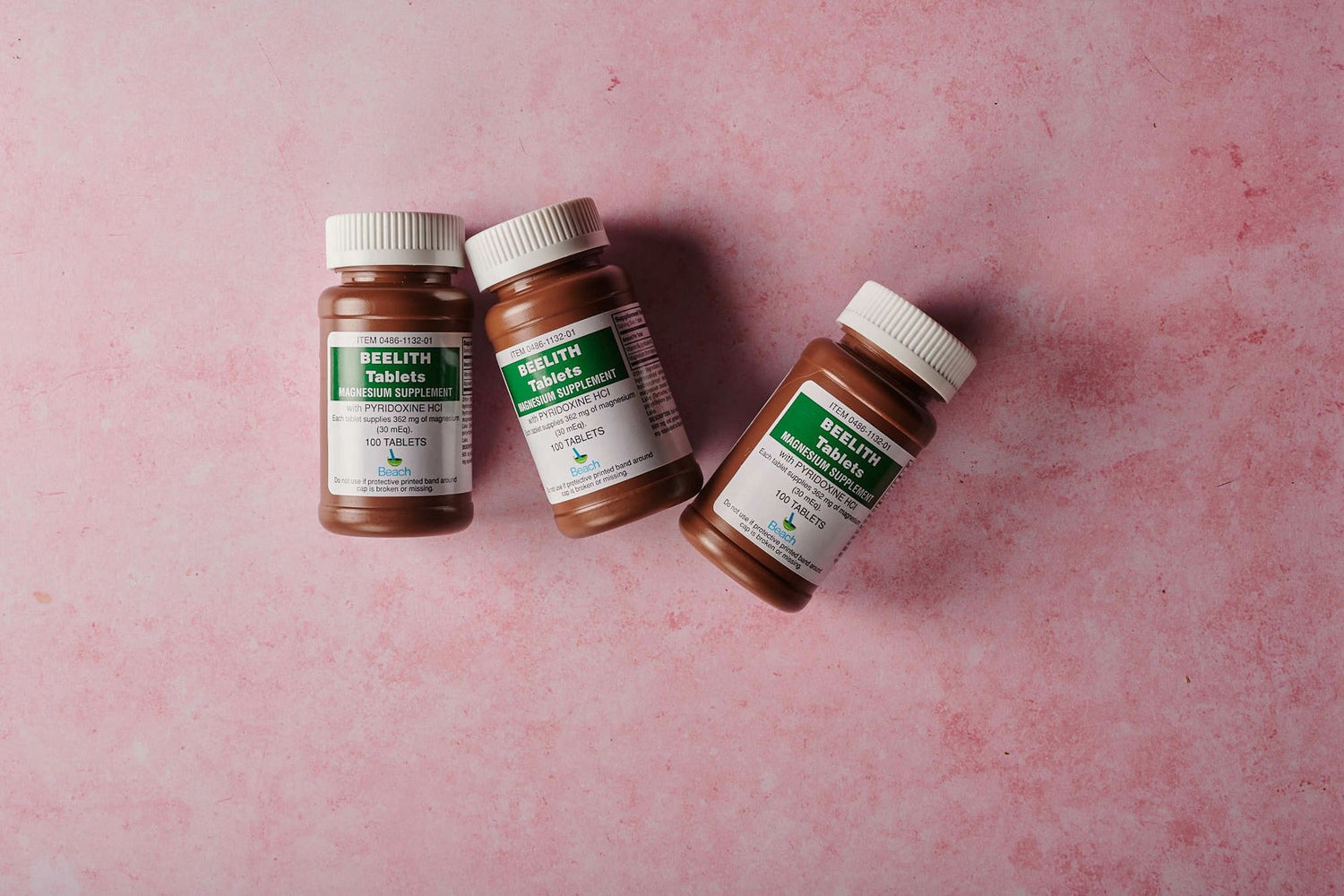
The magnesium L-threonate vs glycinate debate usually gets reduced to "one is for the brain, the other is for sleep." That's not wrong, but it misses the point. The real difference is speed — how quickly each form delivers measurable effects — because that determines which one actually matches your goal. We've broken down the evidence from six key clinical trials to compare these two forms on a single decisive metric: hours to brain effect.
If you've been Googling "magnesium L-threonate vs glycinate" and getting vague answers, this guide gives you a concrete framework. L-threonate is the slow-build form for long-term cognitive support; glycinate is the faster-acting form for calm nerves and better sleep. Here's exactly why — and when each one makes sense in 2026.
Magnesium L-Threonate vs Glycinate: The Core Difference
The fundamental distinction is where each form of magnesium does its best work in your body. Magnesium L-threonate is the only form shown in peer-reviewed research to meaningfully raise magnesium levels inside the brain. Magnesium glycinate, on the other hand, excels at whole-body relaxation and is one of the most easily absorbed forms for correcting general magnesium deficiency.
Both are chelated forms — meaning the magnesium is bonded to an organic molecule (threonic acid or glycine) that improves absorption compared to basic forms like magnesium oxide. But the carrier molecule makes all the difference to what happens after absorption.
How Magnesium L-Threonate Works (and Why It Takes Weeks)
Magnesium L-threonate (sold under the brand name Magtein®) was developed at MIT specifically to raise brain magnesium levels. A landmark 2010 study published in Neuron showed that it increased cerebrospinal fluid magnesium concentrations by approximately 15% in animal models — significantly more than magnesium chloride or magnesium citrate, which barely moved brain levels at all [1].
The catch is time. The brain benefits of L-threonate are not immediate. A 2016 human trial published in the Journal of Alzheimer's Disease found that older adults taking 1.5–2 g of magnesium L-threonate daily showed improvements in memory and executive function, but these gains took 6–12 weeks to become statistically significant [2].
What L-Threonate May Help Support*
- Learning and memory — by increasing the density of connections between brain cells (synaptic density)*
- Age-related cognitive decline — the 2016 trial focused on adults aged 50–70 with memory concerns*
- Long-term brain health — through sustained elevation of brain magnesium levels*
Think of L-threonate as a long-term investment. You won't notice a difference after one dose. But after two to three months of consistent daily use, the research suggests measurable improvements in mental sharpness.*

How Magnesium Glycinate Works (and Why It Acts Faster)
Magnesium glycinate is magnesium bonded to glycine — an amino acid that is itself a calming neurotransmitter. This gives glycinate a dual mechanism: the magnesium supports normal muscle and nerve function, while the glycine activates calming receptors in the brain [3].
The speed advantage is significant. Glycine reaches peak blood levels within 1–2 hours of ingestion, and a 2015 study in Neuropsychopharmacology reported that 3 g of glycine taken before bed improved subjective sleep quality the same night [4]. While that study used pure glycine rather than magnesium glycinate, the glycine released during digestion of the chelate follows similar absorption patterns.
What Glycinate May Help Support*
- Sleep quality — through glycine's effect on core body temperature and calming neurotransmission*
- Stress and nervous tension — magnesium helps regulate the body's stress response system*
- Muscle relaxation — useful for those who carry tension or experience cramps*
- General magnesium deficiency — glycinate has high bioavailability with minimal digestive side effects*
The key phrase here is "tonight, not next month." If your main goal is better sleep or reduced tension, glycinate is the practical choice because it starts working within hours, not weeks.
Head-to-Head Comparison: L-Threonate vs Glycinate
| Factor | Magnesium L-Threonate | Magnesium Glycinate |
|---|---|---|
| Primary target | Brain (crosses blood-brain barrier) | Whole body (nervous system, muscles) |
| Time to noticeable effect | 6–12 weeks | 1–3 days (sleep); hours (relaxation) |
| Best for | Memory, learning, long-term brain health* | Sleep, stress, muscle tension* |
| Elemental magnesium per dose | ~144 mg (from 2 g Magtein) | ~200–350 mg (typical dose) |
| Digestive tolerance | Very good | Excellent (least likely to cause loose stools) |
| Typical cost (per month) | £25–£45 | £8–£20 |
| Strength of clinical evidence | Moderate (fewer human trials) | Strong (well-established form) |
Which Form Should You Choose?
Choose magnesium L-threonate if: your primary goal is long-term cognitive support — sharper memory, clearer thinking, and maintaining brain health as you age. You're willing to commit to 2–3 months of daily use before judging results. You already sleep well and don't have major stress or tension issues.
Choose magnesium glycinate if: you want better sleep starting this week. You carry physical tension or stress. You're looking to correct a magnesium deficiency without stomach upset. You want a cost-effective everyday magnesium supplement.
Choose both if: you want the full spectrum — L-threonate in the morning for brain support, glycinate in the evening for relaxation and sleep. This is increasingly common advice in functional nutrition, and there's no evidence of negative interactions between the two forms.
Where Nootropic Drinks Fit Into Your Magnesium Strategy
Magnesium is foundational, but it works best as part of a broader cognitive support routine. For the fast-acting focus that magnesium L-threonate can't deliver (remember — it takes weeks), ingredients like L-theanine and citicoline may help support concentration within 30–60 minutes.*
Noobru Advantage combines L-theanine, citicoline, phosphatidylserine, and B vitamins in a sugar-free drinkable format — designed for the days when you need sharper focus now, not in six weeks. It pairs well with a magnesium glycinate supplement taken in the evening for overnight recovery.*
As a practical rule: use a nootropic drink like Noobru for acute daily focus, magnesium glycinate for nightly wind-down, and consider adding L-threonate if long-term cognitive health is a priority.
Summary: Magnesium L-Threonate vs Glycinate in One Paragraph
Magnesium L-threonate is the specialist — purpose-built to get magnesium into the brain, backed by targeted research, but requiring weeks of patience before benefits emerge. Magnesium glycinate is the all-rounder — fast-acting, gentle on the stomach, and effective for sleep, stress, and general deficiency correction from the first few doses. Neither form is universally "better." The right choice depends entirely on whether your priority is long-term brain health or tonight's sleep quality. For many people in 2026, using both — at different times of day — is the most practical approach.
Frequently Asked Questions
Is magnesium L-threonate or glycinate better for sleep?
Magnesium glycinate is generally the better choice for sleep. It has a calming effect on the nervous system, and most people notice improved sleep quality within 1–3 days of nightly use. L-threonate may also help with sleep indirectly by supporting brain relaxation, but the direct evidence for sleep is stronger with glycinate.*
Can I take magnesium L-threonate and glycinate together?
Yes. Many people take L-threonate in the morning for cognitive support and glycinate in the evening for sleep. Keep your total elemental magnesium intake below 400 mg per day from supplements unless your healthcare provider advises otherwise.
How long does magnesium L-threonate take to work for focus?
Most research shows cognitive benefits from magnesium L-threonate after 6–12 weeks of daily use. It is not a fast-acting focus supplement — it works by gradually increasing magnesium levels in the brain over time.*
Does magnesium L-threonate actually cross the blood-brain barrier?
Yes. A 2010 study in the journal Neuron demonstrated that magnesium L-threonate raised brain magnesium levels significantly more than other forms tested, including magnesium chloride and magnesium citrate [1]. The threonic acid molecule appears to act as a carrier that helps magnesium cross into brain tissue.
What are the side effects of magnesium glycinate?
Magnesium glycinate is one of the gentlest forms on the stomach. Side effects are rare at standard doses (200–400 mg) but can include mild drowsiness, which is why many people take it before bed. Higher doses may cause loose stools.
References
- Slutsky I, et al. "Enhancement of learning and memory by elevating brain magnesium." Neuron. 2010;65(2):165-177. PubMed
- Liu G, et al. "Efficacy and Safety of MMFS-01, a Synapse Density Enhancer, for Treating Cognitive Impairment in Older Adults." Journal of Alzheimer's Disease. 2016;49(4):971-990. PubMed
- Bannai M, Kawai N. "New therapeutic strategy for amino acid medicine: glycine improves the quality of sleep." Journal of Pharmacological Sciences. 2012;118(2):145-148. PubMed
- Inagawa K, et al. "Subjective effects of glycine ingestion before bedtime on sleep quality." Sleep and Biological Rhythms. 2006;4(1):75-77. Wiley
- NHS. "Vitamins and minerals — Others." nhs.uk
- EFSA. "Scientific Opinion on the substantiation of health claims related to magnesium." EFSA Journal. 2009;7(9):1216. EFSA
While magnesium builds the foundation, Noobru Advantage delivers fast-acting cognitive support with L-theanine, citicoline, and phosphatidylserine in a single sugar-free sachet. Mix it, drink it, and feel the difference within the hour.* Browse the full Noobru range →
*These statements have not been evaluated by the Food and Drug Administration. This product has not been authorised by the MHRA as a medicine. It is not intended to diagnose, treat, cure, or prevent any disease. Always consult your healthcare provider before starting any supplement regimen.


Leave a comment
All comments are moderated before being published.
This site is protected by hCaptcha and the hCaptcha Privacy Policy and Terms of Service apply.